Background:
Hypertension (HTN) is highly prevalent in Germany and remains a major contributor to cardiovascular morbidity and mortality. As a component of the MapHTN program, the longitudinal analysis TrackHTN describes demographics, antihypertensive treatment patterns, blood pressure (BP) trajectories, and control rates during follow-up after a first confirmed HTN diagnosis.
Methods:
Retrospective secondary analysis of anonymised electronic medical records (CompuGroup Medical) from general practitioners, internists, cardiologists, and diabetologists. Adults ≥18 years with first-time documented and confirmed ICD-10-GM HTN code (I10–I13) in 2023 were included, provided they had ≥1 documented visit in the preceding 12 months, no recorded hypertension diagnosis (I10–I13) within that period, and ≥1 evaluable BP measurement at or after the index date (defined as date of initial hypertension diagnosis). Antihypertensive medications were profiled by Anatomical Therapeutic Chemical (ATC) classification system and grouped into eight drug classes: renin–angiotensin system inhibitors, beta-blockers (BB), calcium channel blockers (CCB), diuretics, mineralocorticoid receptor antagonists, alpha-blockers, alpha-2 receptor agonists, and vasodilators. All analyses were descriptive and conducted at baseline and after 3, 6, 9, and 12 months.
Results:
Of 40,385 patients with newly diagnosed HTN (mean age 65.1 ± 14.0 years; 49.2% female; mean BMI 29.8 ± 6.6 kg/m²), 46.3% had an evaluable BP measurement at index date; mean systolic BP (SBP) was 147.2 ± 22.6 mmHg and mean diastolic BP (DBP) 86.7 ± 13.1 mmHg (n = 18,714). At the time of diagnosis, 66.3% had no documented antihypertensive prescription, 21.0% one, 8.6% two, 3.0% three, and 1.0% ≥4 drug classes. Over the 12-month follow-up period, the proportion of patients without any documented antihypertensive prescription decreased to 27.5%, while 24.8% were prescribed one, 22.8% two, 15.1% three, and 9.7% ≥4 classes. Renin–angiotensin system inhibitors were most frequently prescribed (61.4%), followed by BB (31.8%), CCB (29.6%), and diuretics (25.8%). Among patients receiving antihypertensive treatment intensification (defined as the prescription of an additional antihypertensive drug class), median time to first intensification was 56 days. At the end of the 12-month follow-up, mean SBP was 139.6 ± 19.7 mmHg and mean DBP 81.6 ± 11.5 mmHg (n = 12,880; Figure 1); however, only 44.6% achieved BP control (SBP <140 and DBP <90 mmHg).
Conclusions:
TrackHTN reveals substantial gaps between hypertension diagnosis, treatment intensification, and blood pressure control in routine clinical practice. Despite clear guidance recommending progressive escalation of antihypertensive therapy, nearly one-third of patients remained untreated during the first year after diagnosis and fewer than half achieved recommended BP targets. These findings highlight a major opportunity to improve cardiovascular prevention through earlier treatment initiation, more timely therapy intensification, and more effective implementation of guideline-directed care in Germany.
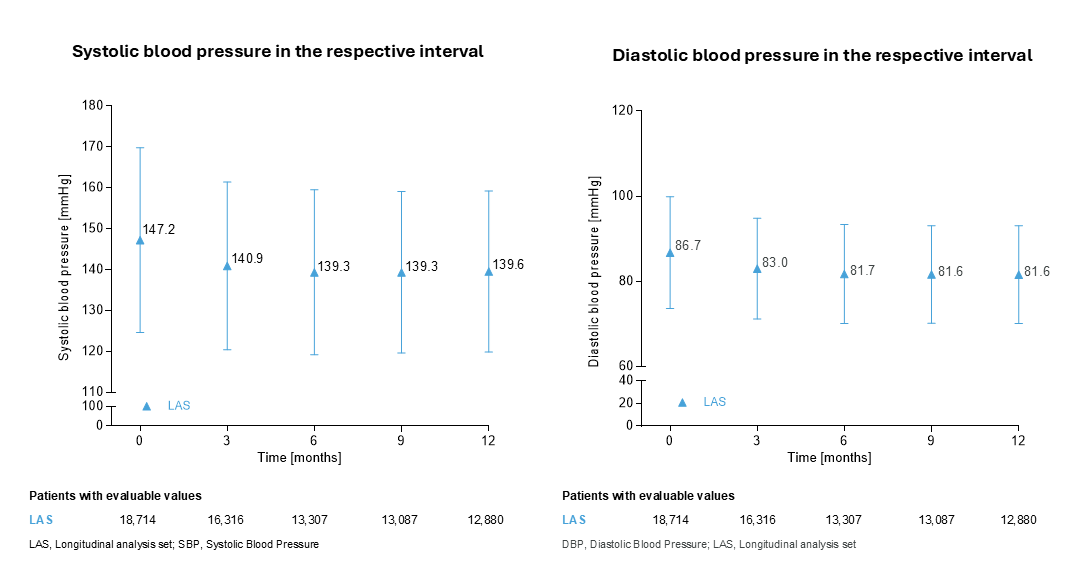
Figure 1. Blood pressure during follow-up period
Please note: Following abstract submission, an unnoticed minor error was identified in the analysis. The affected data points were corrected accordingly; the corrections do not alter any of the findings or conclusions presented. The corrected values are reflected in the poster presented at DGK Herztage 2026.



