Background
Heart failure (HF) decompensation is often preceded by progressive haemodynamic deterioration occurring days to weeks before hospitalization. Management guided by left ventricular filling pressure (LVFP) monitoring has been shown to improve quality of life, reduce heart failure hospitalizations (HFH), and enhance survival. However, the clinical adoption of existing monitoring technologies remains limited due to their invasive nature and substantial cost. Seerlinq HeartCore is a novel, CE-certified, non-invasive system for remote LVFP monitoring that utilizes photoplethysmographic (PPG) signal analysis based on artificial intelligence and haemodynamic principles.
Objectives
To evaluate the effect of a non-invasive, trigger-based haemodynamic surveillance strategy using the Seerlinq HeartCore system on HF outcomes during 12-month follow-up in HF outpatients.
Methods
STOP-DHF (Strategy TO Prevent Decompensated HF) was a prospective, multicenter, single-arm pragmatic trial enrolling 330 ambulatory NYHA class II–III heart failure patients across the ejection fraction spectrum at 99 sites in Slovakia. Patients performed non-invasive haemodynamic measurements every other day using a smartphone-connected pulse oximeter, with PPG data remotely analysed by the Seerlinq HeartCore system (Figure 1). Clinical management was guided by predefined alerts integrated into routine care workflows. The primary outcome was the 12-month composite of heart failure hospitalization (HFH) or all-cause mortality, evaluated against a predefined performance goal derived from contemporary matched local epidemiological data. Prespecified subgroup analysis included patients with ≥1 HFH within 12 months before enrolment, evaluated against a prespecified performance goal derived from previous similar telemonitoring trials. Safety outcomes included symptomatic hypotension, severe electrolyte disturbances, and changes in estimated glomerular filtration rate (eGFR) from baseline to 12 months.
Results
Among 330 enrolled patients (mean age 66.9 ± 11.9 years; 36% women; NYHA class II–III), 28 primary outcome events occurred, including 7 HFH and 21 deaths. The 12-month composite event rate was 8.5% (95% CI: 5.6–12.3%), which was significantly lower than the predefined performance goal of 13.98% (p=0.002) (Figure 2).
Among high-risk patients with previous HFH (n=85), 16 primary outcome events occurred. The composite event rate was 18.8% (95% CI: 11.9–28.4%), significantly below the predefined performance goal of 31.26% (p=0.007).
Symptomatic hypotension occurred in 12 patients, while no severe electrolyte disturbances were recorded. There was no significant change in estimated glomerular filtration rate from baseline to 12 months.
Conclusions
A trigger-based haemodynamic surveillance strategy using a novel system for non-invasive LVFP monitoring was associated with significantly lower rates of HFH or all-cause mortality compared with predefined performance goal, without evidence of safety concerns. Favorable outcomes were also observed among higher-risk patients with prior HFH, supporting the potential of this telemedical approach to improve HF management in routine clinical care.
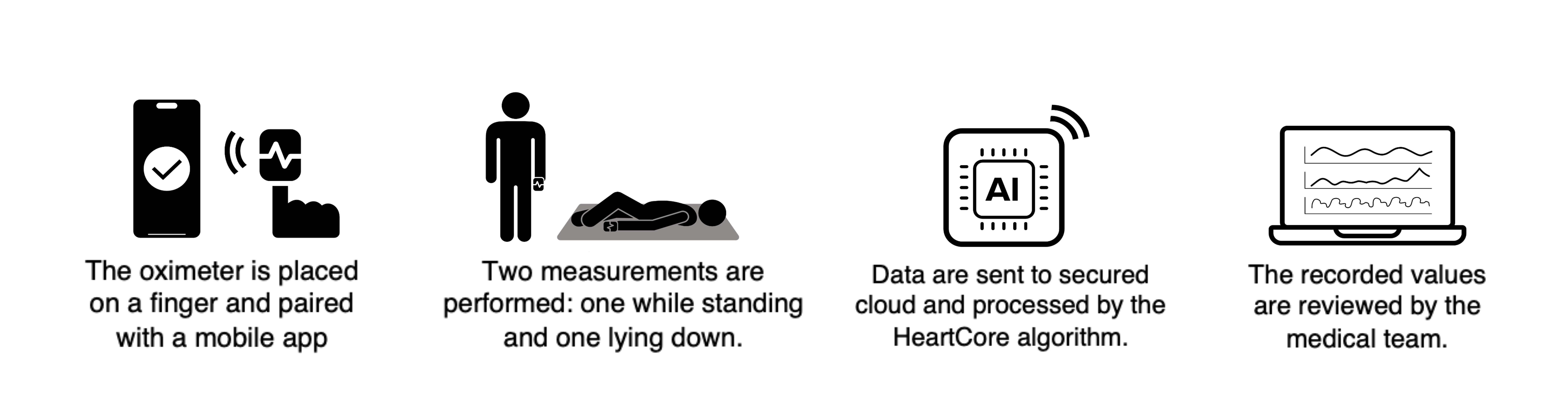
Figure 1. Use of the Seerlinq HeartCore, CE-certified, non-invasive system for remote monitoring of LVFP, utilizing photoplethysmographic signal analysis.
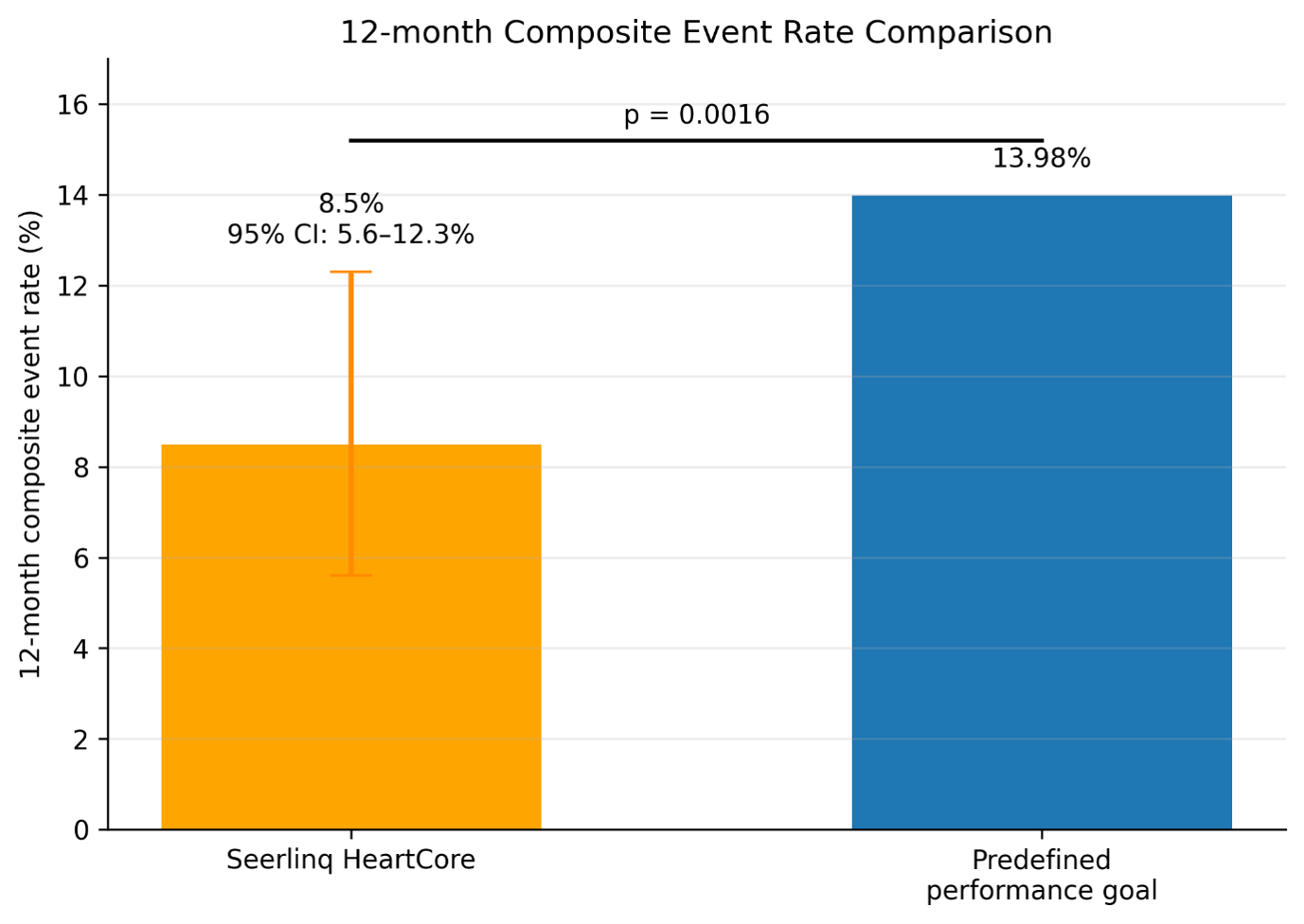
Figure 2. Composite of heart failure hospitalizations or mortality rate at 12 months.



