Background:
The increasing adoption of surgical and transcatheter tricuspid valve interventions presents a growing challenge for ICD therapy. While extravascular ICD systems may be suitable for patients without pacing indications, patients requiring bradycardia pacing or cardiac resynchronization therapy (CRT) need alternative approaches, as trans-tricuspid right ventricular lead implantation may interfere with prosthetic or repaired tricuspid valves. Implantation of a defibrillation lead within the coronary venous system, particularly the coronary sinus (CS) or middle cardiac vein (MCV), has emerged as a potential alternative; however, clinical data remain limited.
Methods:
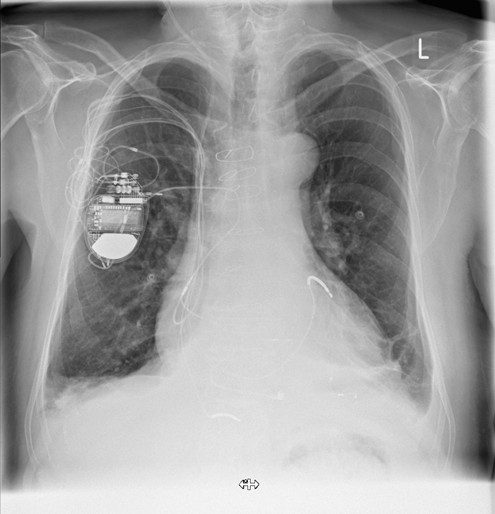
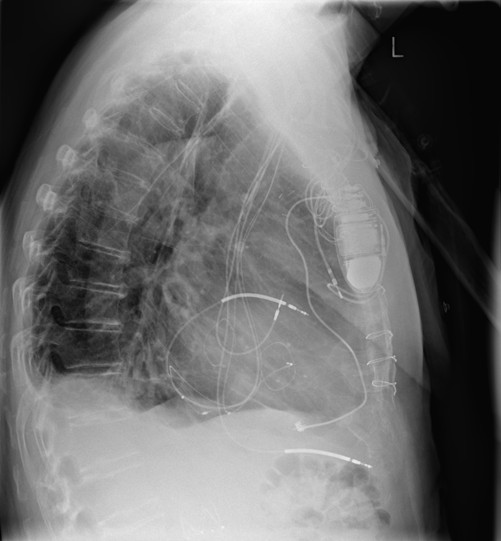
This retrospective single-center study included consecutive patients who underwent surgical or transcatheter tricuspid valve intervention between 2015 and 2025 and subsequently required ICD therapy combined with bradycardia pacing or CRT. ICD implantation was performed for primary or secondary prevention of sudden cardiac death. Because trans-tricuspid right ventricular defibrillation lead implantation was considered undesirable or contraindicated, a defibrillation lead was implanted within the coronary venous system (CS or MCV). Procedural characteristics, defibrillation testing, electrical parameters, device-related complications, and follow-up data were analyzed.
Results:
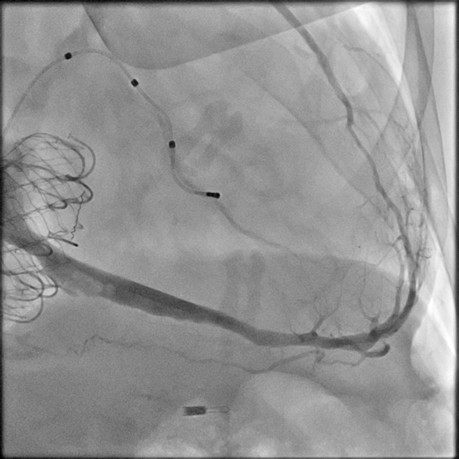
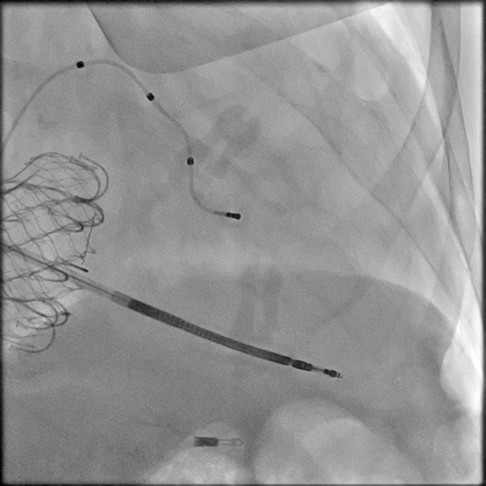
Nine patients were included in the analysis. Defibrillation lead implantation was successful in all cases. Eight patients received a lead in the MCV. In one patient, MCV cannulation failed, requiring implantation in the CS with an additional lead in a phrenic vein. Mean age was 61.6 ± 10.5 years. Four patients had dilated and four ischemic cardiomyopathy. Tricuspid valve intervention was performed for infective endocarditis (n=3), carcinoid valve disease (n=1), or acquired tricuspid regurgitation (n=5).
Six patients had a pre-existing cardiac implantable electronic device. Prior to tricuspid valve intervention, three underwent transvenous lead extraction and two device explantation during surgery.
Five patients received a bioprosthetic tricuspid valve, one a mechanical prosthesis, two underwent tricuspid valve reconstruction, and one received transcatheter tricuspid valve replacement (EVOQUE). ICD implantation was performed for secondary prevention in five patients.
An additional pace-sense lead was required in all patients, including epicardial leads (n=3), coronary sinus leads (n=4), and transvenous lumenless leads (n=2). Mean procedure and fluoroscopy times were 143 ± 20 and 34 ± 11 minutes, respectively.
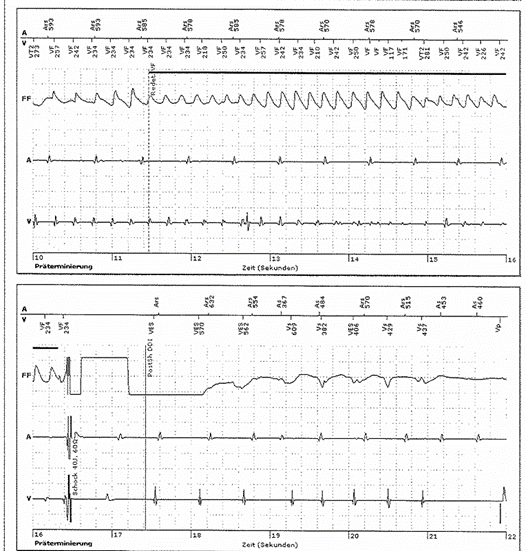
Defibrillation testing was performed in six patients and was successful in all. No lead repositioning or hardware modification was required, although shock polarity was reversed in two patients.
Follow-up data were available in five patients. One patient received an appropriate and successful ICD shock for ventricular arrhythmia. No system revisions or lead-related complications occurred during follow-up.
Conclusion:
Coronary venous defibrillation lead implantation is a feasible alternative for patients requiring ICD therapy after tricuspid valve surgery or intervention when trans-tricuspid right ventricular lead placement is undesirable or contraindicated. Procedural success and defibrillation efficacy were excellent, although an additional pace-sense lead was required in all patients. Larger studies with longer follow-up are needed to evaluate long-term safety and effectiveness.